


This is a weekly post wherein I write about things I’ve been reading, watching, and thinking about. The first part is free, the rest is for paid subscribers only.
Parts written by my assistant Ata Armağan are marked accordingly in the subheadings.
As usual for late summers on Kültürkampf, I’m visiting family and doing some research in İzmir and İstanbul until September, so posts will be more spread out, prioritizing paid subscribers.
This week ended up being very much focused on Turkish politics, while having some philosophy-related reading sprinkled in at the end as well.
What is the basis of the PKK law?
Turkey’s parliament has voted on a law that would allow some high-ranking PKK militants to return to civilian life, pending some very specific circumstances. As far as anyone can tell, this is the centerpiece of the “Turkey without terror” process that the palace has been rolling out.
It’s not quite an amnesty, because the charges against these people wouldn’t be dropped entirely. It’s just a way to give the Kurdish movement’s elites a way back into legal life in Turkey.
Now there’s been a minor controversy as to the basis of this “process” in the opposition media. People who have historically been sympathetic of the Kurdish movement, like Ruşen Çakır, have been arguing that the law is a compromise between “the state” and the PKK, meaning that neither side has been able to get exactly what it wanted in the armed struggle, and that this law represents some kind of negotiated solition:

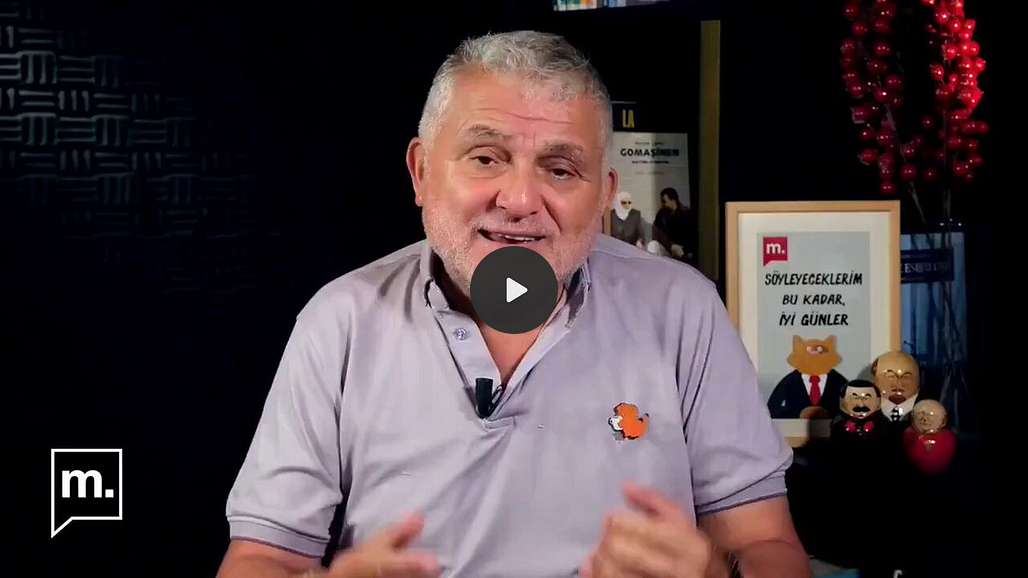
It’s very important to understand that this isn’t the case. The basis of this law is Turkey’s crushing military defeat of the PKK, not just in Turkey, but also in Syria and Iraq. As Nick Danforth and I have been arguing on the podcast, the “Turkey without terror” process is not a “peace process,” but a terms of surrender.
There is a structural basis for this. This isn’t the Cold War any more. The time for guerrilla movements is past. A force like the PKK cannot hope to wage a war against a modern state with modern capabilities. Drones alone have driven them underground, but there are other aspects to this, like the intelligence, financial and cyber capabilities of Turkey (or most other modern states) that make it all but impossible for the PKK to exist.
The PKK as a military force is over. They could conceivably reinvent themselves as a political force, but that’s another discussion. The way I see it, the presidential palace is experimenting with ways to absorb their Kurdish base into their political project, and to do that, it wants to give the PKK’s elite a way to join civilian life and probably make decent money. The proposed law means that the palace is always going to be in a position where they can make them disappear into a prison at a moment’s notice if they step out of line. I think this is geared to make them maximally compliant, and to move their base towards the palace over time.
Now this might very well fail. These dynamics are very difficult to predict. I’m not conversant on what goes on inside the left-Kurdish movement. Ata has a much better idea of what goes on there, and will be writing about it in the upcoming weeks.
